

23.7K certified reviews
Kids Balance Bikes & Baby Walkers
Watch them waddle, tottle, and gain confidence on wheels with a retrospec baby walker or balance bike – no pedals needed!
Finding the perfect kids bike is hard. We’ll make it easy.
Take our 30 sec quiz.Trusted By Our Loyal Customers

Free shipping over $35

50 day return policy

Finance starting from $19/month
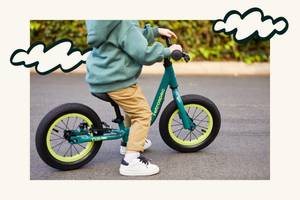
Finding the perfect kids bike is hard. We’ll make it easy.
Take our 30 sec quiz.
sort by:
Product Type:
From our gear experts
What is a balance bike for?
A balance bike allows children to learn how to balance on two wheels before advancing to a pedal-driven bicycle. A balance bike does not have pedals—young riders push their feet against the ground to move forward and can stop easily by placing their feet down.
In addition to fostering balance and coordination, a balance bike instills confidence and helps create a smoother transition to pedal bikes compared to those who rely solely on training wheels. Balance bikes are designed for children aged 18 months to 4 years. For example, the Cub 2 Kids Balance Bike (18 months-4 yrs) is tailored for that age range and built with a step-through frame for easier mounting. For even younger riders, smaller “baby walker” balance bikes are available for toddlers aged 12 to 24 months.
In addition to fostering balance and coordination, a balance bike instills confidence and helps create a smoother transition to pedal bikes compared to those who rely solely on training wheels. Balance bikes are designed for children aged 18 months to 4 years. For example, the Cub 2 Kids Balance Bike (18 months-4 yrs) is tailored for that age range and built with a step-through frame for easier mounting. For even younger riders, smaller “baby walker” balance bikes are available for toddlers aged 12 to 24 months.
What age is it appropriate for a child to transition to a pedal bike?
Most children learn to ride a pedal bike between 3 and 8 years old, depending on coordination, interest, and practice. Some kids transition from a balance bike to a pedal bike as early as age 3, while others may need more time. The child’s confidence and coordination are strong indicators of readiness. Parents often find their children aged 1 to 4 exploring on balance bikes. For example, the Cub Plus 12″ Kids Balance Bike (18 mos-4 yrs) is designed for toddlers and helps build the skills needed before pedaling.
By ages 6 to 8, many children have progressed from balance bikes or training wheels to lightweight pedal bikes with ease.
By ages 6 to 8, many children have progressed from balance bikes or training wheels to lightweight pedal bikes with ease.
At what age do children typically learn to ride a bike?
Children usually gain the ability to safely ride a bike between the ages of 3 and 8. At this stage, they develop the agility, balance, and coordination necessary for safe cycling. While some may pedal independently by age 2 or 3, others might not master it until they’re 10 or 11.
The use of removable training wheels, balance bikes, and low-seat bicycles supports a safer and more seamless learning experience. If you've used a balance bike like the Cub Plus XL 14″ Kids Balance Bike (2-6 yrs) — designed for taller riders — it helps older toddlers or preschoolers build confidence before pedaling.
The use of removable training wheels, balance bikes, and low-seat bicycles supports a safer and more seamless learning experience. If you've used a balance bike like the Cub Plus XL 14″ Kids Balance Bike (2-6 yrs) — designed for taller riders — it helps older toddlers or preschoolers build confidence before pedaling.
Is it possible to teach a child to ride a bike without training wheels?
Absolutely! Teaching a child to ride without training wheels is not only feasible but often easier when using a balance bike. A kids balance bike enables children to develop balance and coordination naturally, helping them transition to a standard bike without fear or frustration. One excellent model is the Baby Beaumont Balance Bike (18 mos-4 yrs) which emphasizes intuitive riding: if they can walk, they can ride.
When teaching your child to ride, ensure they wear kids helmets and protective pads for safety.
When teaching your child to ride, ensure they wear kids helmets and protective pads for safety.
What's the best way to teach my child to ride a bike?
Teaching a child to ride a bike involves patience, encouragement, and a little creativity. Start with a balance bike to help them master control and confidence before introducing pedals. Celebrate small milestones, keep the experience positive, and make it fun.
For example, you might transition them from the Cub 2 Balance Bike to a slightly larger kids balance bike like the Cub Plus XL when they outgrow the first. This progression supports skill development at each stage.
Explore the blog post on how to teach kids to ride a bike for a step-by-step guide and expert tips.
Explore our blog on how to ride a balance bike for a step-by-step guide and expert tips.
For example, you might transition them from the Cub 2 Balance Bike to a slightly larger kids balance bike like the Cub Plus XL when they outgrow the first. This progression supports skill development at each stage.
Explore the blog post on how to teach kids to ride a bike for a step-by-step guide and expert tips.
Explore our blog on how to ride a balance bike for a step-by-step guide and expert tips.
What is considered a reasonable price for a kids balance bike?
The ideal price for a kids balance bike depends on your child’s age, size, and how often they’ll ride. Typically, a budget of $100-$250 should suffice for a quality balance bike with adjustable seats and handlebars.
For example:
For example:
- The Cub 2 Kids Balance Bike is listed around $79.99 for younger riders.
- The Cub Plus model runs about $129.99 for 12″ size.
What are ways to make cycling more enjoyable for my child?
There are numerous ways to enhance the enjoyment of cycling for kids. You can spice up the experience by planning exciting destinations for the end of rides, such as playgrounds or ice cream shops. Decorating bikes adds a personal touch, while packing snacks and rewarding accomplishments afterwards adds to the fun. Additionally, incorporating mini adventures into bike rides, such as scavenger hunts or obstacle courses, can amplify excitement.
Variety is key—try exploring new routes and trails to keep things fresh. As your child grows, consider upgrading their bike to suit their evolving needs. Above all, demonstrate your own enthusiasm for cycling during rides. Your child is more likely to embrace the activity if they witness your enjoyment on two wheels.
Variety is key—try exploring new routes and trails to keep things fresh. As your child grows, consider upgrading their bike to suit their evolving needs. Above all, demonstrate your own enthusiasm for cycling during rides. Your child is more likely to embrace the activity if they witness your enjoyment on two wheels.
How can I motivate my child to wear a helmet?
Encouraging kids to wear helmets while riding their balance bike is essential. Let them choose a helmet color or design they love and set an example by wearing yours.
Checkout these durable and stylish helmets for kids: Make sure to explain how helmets protect their brain and why wearing one is non-negotiable—no helmet means no ride.
For safety and sizing help, visit our blog posts:
Checkout these durable and stylish helmets for kids: Make sure to explain how helmets protect their brain and why wearing one is non-negotiable—no helmet means no ride.
For safety and sizing help, visit our blog posts: