


23.7K certified reviews
Bike Racks
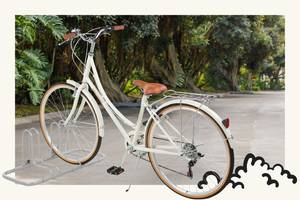
Find the perfect place to park your ride. Our bike racks are easy to assemble and will keep your wheels secured when you're done riding for the day.
Trusted By Our Loyal Customers

Free shipping over $35

Exceptional Value

Finance starting from $19/month
sort by:
Product Type:


From Our Gear Experts
What is the best way to store a bike in the garage?
The best way to store your bike in the garage depends on your space, budget, and the type of bike you have. If you have multiple bikes and free space, traditional floor racks like our Stash or Stash Commercial are the best option. For maximum space efficiency, consider a vertical rack. Beyond the type of rack, prioritize protecting your bike. Ensure the hanging hooks are padded to prevent scratches to your bike's frame. If you're storing your bike for a long period, consider covering it with a sheet or bike cover to protect it from dust and dirt. For heavier bikes or those with sensitive components, like hydraulic disc brakes, avoid hanging them by the wheels, which can put stress on the wheel rims. Instead, opt for a rack that supports the bike by the frame.
What should I look for in a garage bike rack?
When choosing a garage bike rack, start by assessing your space and the bikes you own. Measure carefully, and consider both floor and wall space to determine the best mounting style. Vertical racks are great for saving space, but floor racks offer more flexibility. Think about how many bikes you need to store and ensure the rack can accommodate their sizes and styles. Next, prioritize ease of use and durability. Look for a rack that makes loading and unloading your bikes simple, with adjustable features to fit different bike types. Choose sturdy materials like steel, and check the weight capacity, especially if you have heavier bikes.
What is the best material for a bike rack?
For freestanding bike racks in a garage, steel is an excellent choice due to its strength, durability, and resistance to rust and corrosion. Steel racks can handle the weight of multiple bikes and withstand accidental bumps or impacts. For lighter-duty applications or portable racks, aluminum can be a good alternative, as it's lighter than steel but still quite strong.
What is the best way to hang a bike in the garage?
Hanging your bike in the garage is a great way to save space. Popular methods include vertical hooks that hold the bike by the front wheel, and horizontal hooks or specialized racks that support the bike by its frame, like our Double Decker Freestanding Bike Rack. Freestanding bike racks that support the bike by the frame offer more stability and are better for long-term storage, particularly for heavier bikes or those with sensitive components. Freestanding racks are also easy to relocate if cleaning or organizing your garage or if you’re moving.
Is it safe to hang bikes from a garage ceiling?
Hanging bikes from the garage ceiling can be an efficient way to save space, but it requires drilling into your ceiling. The most important factor is ensuring your ceiling can handle the weight. Garages with unfinished ceilings often have exposed joists, making it easy to identify sturdy mounting points. But if your ceiling is finished with drywall, you'll need to locate the joists and use appropriate anchors to ensure the bike's weight is adequately supported. If all this sounds like a lot, consider a freestanding vertical rack like our Double Decker Bike Rack. It comes with the space-saving benefits of a hanging rack, but requires no installation!
How do you store multiple bikes in a small space?
Bike racks like our Stash Commercial Bike Rack can store up to 20 bikes, but if you want to store multiple bikes in a small space, your best bet is to use a hanging rack like Double Decker, which can hold two bikes on top of each other. If you live in a tiny dorm or studio apartment, you could also purchase a folding bike for the most compact storage option.
How much space do you need to store a bike vertically?
To store a bike vertically, you'll need to consider the bike's dimensions and the necessary clearance for comfortable access. A standard bike is roughly 6 feet long, so you'll need at least that much vertical space, plus extra clearance to lift the bike onto the hook or rack and for any hanging hardware. Aim for at least 7 feet of clearance. The bike itself will also extend outward from the wall, depending on the handlebar width and pedal position. Allow at least 2-3 feet of clearance from the wall to the outermost part of the bike. Remember, these are general estimates, and the exact space requirements may vary depending on your specific bike and storage method. Always measure your bike and the available space in your garage to ensure a proper fit.
Is it okay to hang a bike by the wheel?
It’s fine to hang a bike by the wheel, with a few considerations. For one, hanging a bike by the wheel for extended periods can potentially cause minor deformation to the rim or tire, especially if the bike is heavy or the tire is underinflated. For bikes with suspension, particularly high-end mountain bikes, long-term vertical storage might impact the seals and lubrication. Some older hydraulic brakes might be affected by air bubbles forming in the lines when stored vertically. (This is less common with modern brakes.) Still, these are all relatively minor concerns, and plenty of bike shops store their bikes by the wheels all the time. It’s generally recommended to hang the bike by the front wheel, instead of the rear wheel, to avoid putting stress on the drivetrain. Instead of hanging by the wheels, you could also consider freestanding frame-supporting racks like our Double Decker.
Is it okay to store a bike on its wheels?
Yes, storing a bike on its wheels is perfectly fine. This is how bikes are designed to stand, and the weight is distributed evenly across both wheels and tires. There's no risk of damage to the frame, suspension, or components. However, for long-term storage, it's a good idea to check your tire pressure regularly and inflate tires as needed to prevent flat spots. Also, consider shifting the bike's position periodically to avoid prolonged pressure on the same contact points of the tires.
Where to store your bike if you don't have a garage?
If you don’t have a garage, there are a few places you could store your bike. One of the good things about freestanding vertical racks like our Double Decker is that they can be moved and placed anywhere, so you can store your bikes inside your house. If you have a shed or other secure outbuilding, this could also be a good place. If not, some apartment complexes offer bike lockers for rent. You could also try parking your bike in an interior stairwell or on a covered porch or balcony, so long as you can secure it to a railing or wall with a sturdy bike lock (and check with your property manager that this is allowed). If you live in a dorm or small apartment and space is a concern, consider a folding bike for the most space-efficient storage option.
Is it bad to leave a bike outside?
While convenient, leaving your bike outside can expose it to various risks. The most obvious is theft, especially if the bike isn't locked to a fixed object with a high-quality bike lock. Beyond theft, the elements can take their toll. Rain, snow, and humidity will rust and corrode metal parts, while UV rays from the sun may degrade paint and fade colors. Temperature fluctuations can also affect tire pressure, and potentially damage sensitive components. Furthermore, dirt, dust, and grime will also accumulate on the bike, requiring more frequent cleaning and maintenance. A bike cover can mitigate some of these risks, but it's not a foolproof solution. Storing your bike indoors is always the best option if it’s possible.
How long do bike tires last in storage?
Bike tires don't have a definitive expiration date, and their lifespan in storage depends primarily on storage conditions and tire quality. In ideal conditions—a cool, dark, dry environment—bike tires can last for 10 to 20 years. However, exposure to sunlight, heat, and humidity accelerates the aging process, causing the rubber to dry out, crack, and become brittle. This leads to decreased performance and an increased risk of flats and blowouts. Periodically inspect stored tires for signs of wear and tear, such as cracks, discoloration, or a hardened texture. If you notice any significant deterioration, replace the tires before riding.
Can I store my bike upside down?
Storing your bike upside down, hanging from the tires, is perfectly fine in most cases. Just be mindful of potential brake issues with older hydraulic systems, and avoid this method for ebikes or bikes with delicate components. If you choose this method, check your brakes before riding.
Can I store my bikes on a car bike rack?
While some people opt to leave their bikes on their car bike rack overnight, this isn’t a great idea unless your car is parked in a garage or other safe, enclosed space. Car bike racks are designed for secure transport, not secure storage. In addition to rain, sun, and other environmental hazards, you’re exposing your bike to the risk of theft. If you park your car outside, don’t forget to remove your bike(s) from your car bike rack, or at least secure them with a bike lock to prevent grab-and-go thefts.
How do you store a bike for long periods?
To keep your bike in top shape during long-term storage, a little preparation goes a long way. First, thoroughly clean it and lubricate the chain, derailleurs, and cables. This prevents dirt and grime from causing damage over time. Next, inflate the tires to the recommended pressure to avoid flat spots. If you’re able to, store the bike indoors in a cool, dry place away from direct sunlight and extreme temperatures.
For added protection, particularly if you’re storing your bike outside, use a cover to shield your bike from dust and moisture. If you're storing the bike vertically, ensure it's securely supported and won't fall. For bikes with suspension, it's a good idea to cycle the suspension periodically to keep the seals lubricated. Finally, before riding the bike again after long-term storage, inspect it carefully, re-lubricate the chain, and check the brakes and tire pressure to ensure everything is in good working order!
For added protection, particularly if you’re storing your bike outside, use a cover to shield your bike from dust and moisture. If you're storing the bike vertically, ensure it's securely supported and won't fall. For bikes with suspension, it's a good idea to cycle the suspension periodically to keep the seals lubricated. Finally, before riding the bike again after long-term storage, inspect it carefully, re-lubricate the chain, and check the brakes and tire pressure to ensure everything is in good working order!
What should I do before riding my bike after long-term storage?
Before hopping back on your bike after a long rest, give it a thorough once-over. Start by pumping up the tires to the correct pressure and checking for any signs of cracking or wear. Inspect the brakes for proper function, and lubricate the chain if needed. Give the bike a quick wipe-down to remove any dust or cobwebs, and then take it for a short test ride at a low speed to ensure everything feels right before heading out on a longer adventure.
How should I store my ebike?
EBikes require extra care in storage due to their electrical components and their heavier weight compared to traditional bikes. It's best to store your electric bike in a cool, dry place out of direct sunlight and extreme temperatures, preferably below 20°C (68°F). You should also charge your ebike’s battery every two to three months during storage. Lithium-ion batteries will slowly deplete when not in use, and long-term storage without periodic charging will reduce battery life. It’s also best not to store the battery fully charged or empty. Ideally, ensure your bike has between 80% and 40% charge. (When charging, both battery and charger should be a minimum of 4 inches away from the wall in a well-ventilated environment.) Unlike a traditional bike, you should avoid storing an ebike hanging or upside down, as this could potentially affect the battery and other electrical components. Use a floor rack like Stash or Stash Commercial.


