


23.7K certified reviews
Snowshoes, Trekking Poles, & Snow Helmets
Make every ascent and descent better than the last with snowshoes, snow helmets, ski goggles, trekking poles, and other quality snow gear.
Finding the perfect snow goggles is hard. We’ll make it easy.
Take our 30 sec quiz.Trusted By Our Loyal Customers

Free shipping over $35

Exceptional Value

Finance starting from $19/month
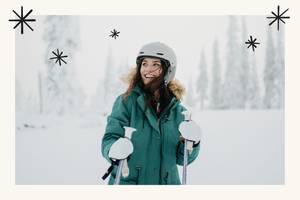
Finding the perfect snow goggles is hard. We’ll make it easy.
Take our 30 sec quiz.
sort by:
Product Type:


From Our Gear Experts
What are the benefits of wearing a snow helmet?
Wearing a snow helmetoffers crucial protection against head injuries while skiing, snowboarding, and snow tubing. Helmets absorb impact and reduce the risk of concussions and skull fractures in the event of a fall or collision with another rider or obstacle, like a tree or rock.
The best snow helmets also provide warmth and insulation, keeping your head and ears comfortable in cold temperatures. They can also improve your visibility on the slopes, with bright colors and reflective elements that make you more noticeable to other skiers and snowboarders, and will offer breathability as needed on warmer days with adjustable airflow filters.
The best snow helmets also provide warmth and insulation, keeping your head and ears comfortable in cold temperatures. They can also improve your visibility on the slopes, with bright colors and reflective elements that make you more noticeable to other skiers and snowboarders, and will offer breathability as needed on warmer days with adjustable airflow filters.
What should I look for in a snow helmet?
When choosing a snow helmet, prioritize safety, comfort, and fit. Look for a helmet that meets safety standards such as EN 1077:2007, ensuring it provides adequate protection in a crash. A comfortable fit is crucial for extended wear, so try on different helmets to find one that sits snugly without feeling too tight. Consider features like adjustable vents for temperature regulation, a comfortable liner, and compatibility with snow goggles, as well.
Are snow helmets legally required?
Neither the U.S. federal government nor any of the 50 states require people to wear ski and snowboard helmets at their resorts. However, some resorts have helmet policies in certain scenarios. Regardless, wearing a snow helmet is strongly recommended for all winter sports enthusiasts, especially for children. Head injuries account for up to 20% of annual skiing and snowboarding injuries in the United States, and helmet use can dramatically reduce these risks.
How do I choose the right size snow helmet?
Our helmets come in three sizes, Small (52-55cm), Medium (55.5-59cm), and Large (59-62cm), based on the circumference of your head. Measure your head with a tape measure, wrapping it around your forehead, just above your eyebrows. The tape should rest just above your ears and remain level around the circumference of your head.
How should a snow helmet fit?
A properly fitted snow helmet should sit snugly on your head without feeling too tight. It should cover your forehead and rest just above your eyebrows. The chin strap should be securely fastened, allowing for only one or two fingers to fit between the strap and your chin.
How do I clean my snow helmet?
To clean your snow helmet, start by mixing a mild soap with warm water. Gently wipe the exterior of the helmet with a soft cloth or sponge dipped in the soapy water, paying attention to areas like vents and goggle strap attachments. If possible, remove and wash the liner separately according to the manufacturer's instructions. If not removable, carefully wipe the interior with a damp cloth. Rinse the helmet thoroughly with clean water to remove any soap residue and allow it to air dry completely before storing or using it again. Avoid using harsh chemicals, abrasive cleaners, or excessive heat, which can damage the helmet.
Can I wear a beanie or hat under my snow helmet?
It's generally not recommended to wear a thick beanie or hat under your snow helmet, as this can affect the helmet's fit and reduce its effectiveness in a crash. The best snow helmets will be warm and insulating, so you won’t need a beanie. If you do need extra warmth, choose a thin, helmet-compatible liner.
How long do snow helmets last?
The lifespan of a snow helmet depends on factors like frequency of use and impact exposure. It's generally recommended to replace your snow helmet every 3-5 years or after any significant impact.
Do you need goggles to ski and snowboard?
Yes! Snow goggles are a must-have for skiing and snowboarding. Goggles provide crucial protection for your eyes, both from the elements and potential hazards. First, goggles shield your eyes from the sun's harmful ultraviolet (UV) rays, which are intensified at higher altitudes and reflected off the snow. Ultraviolet protection offered by the best snow goggles prevents snow blindness and long-term eye damage. Second, goggles act as a barrier against the cold, wind, snow, and ice particles, ensuring clear vision and preventing irritation. Finally, goggles offer facial impact protection in case of falls or collisions, safeguarding your eyes from branches, skis, or other objects.
What do I need to know about ski and snowboard goggles?
When choosing ski and snowboard goggles, there are several factors to consider beyond just looking cool. Ultraviolet protection is essential to shield your eyes from harmful rays at high altitudes. Make sure your goggles offer 100% UV protection. Visible Light Transmission (VLT) is another key consideration. This acronym, usually expressed as a percentage, refers to the amount of light that passes through the lens. Heavily tinted lenses have lower VLT percentages. These are ideal for bright sunny days. Higher VLT lenses, more lightly tinted, are better for low-light or overcast conditions.
Lens technology also plays a role in clarity and contrast, with polarization reducing glare and anti-fog coatings preventing condensation. Lens shapes (spherical, cylindrical, or toric) are also important, as are fit and comfort. When testing a pair of snow goggles, ensure a snug fit with your helmet and good ventilation to prevent fogging. Finally, consider features like interchangeable lenses for varying conditions and OTG (over-the-glasses) compatibility if you wear prescription glasses.
Lens technology also plays a role in clarity and contrast, with polarization reducing glare and anti-fog coatings preventing condensation. Lens shapes (spherical, cylindrical, or toric) are also important, as are fit and comfort. When testing a pair of snow goggles, ensure a snug fit with your helmet and good ventilation to prevent fogging. Finally, consider features like interchangeable lenses for varying conditions and OTG (over-the-glasses) compatibility if you wear prescription glasses.
How do you choose snow goggles?
We’ll try to answer more specific questions below, but if you’re hoping to choose a pair of snow goggles, you can simply take our free, 30-second “Help Me Choose Snow Goggles” quiz! It will ask questions about your sex and age, the weather conditions you’ll be skiing or snowboarding in, and whether or not you wear prescription eyeglasses under your goggles to help you narrow down your options.
How should snowboard and ski goggles fit?
Snow goggles should fit snugly against the face, all the way around the eyes. The adjustable straps should be tightened just enough to hold the goggles in position, but not so tight that they cause discomfort or reduce breathability. The foam padding should rest against the face, creating a seal that keeps out wind and snow. When you move your head from side to side, the goggles should stay in place. There should also be no gap between the top of your goggles and your snow helmet. Above all, make sure your goggles are comfortable!
What does VLT mean in snow goggles?
In snow goggles, the acronym VLT stands for visible light transmission. This refers to the percentage of visible light that passes through the lenses of your goggles. Higher VLT percentages (>25%) are more lightly tinted, and will allow a high level of light through. These lenses are good for dusk, dawn, and cloudy days. Lower VLT percentages (<25%) will allow less light through, and are best for bright, sunny days.
What are the different snowboard and ski goggle lens shapes?
The three basic snow goggle lens shapes are cylindrical, spherical, and toric. Let’s break them down.
- Cylindrical lenses are horizontally curved, but vertically flat. This design was standard for ski goggles for many years, and it's still common in some models at lower price points. While they offer decent optics and a stylish “old-school” look, cylindrical lenses have some drawbacks. The flat vertical plane can cause visual distortion, especially at the edges of your vision. Cylindrical lenses also tend to create more glare because of the flat surfaces reflecting light.
- Spherical lenses are curved horizontally and vertically, mimicking the shape of the human eye. This curvature provides a wider field of view and significantly reduces distortion, giving a more natural, accurate visual experience to judge distance and terrain. Think of it like looking through a bubble—the image remains clear and undistorted no matter where you look. The curved surface of spherical lenses also minimizes glare, which is important in bright, snowy conditions. Finally, the shape of spherical lenses creates more volume inside the goggles, improving ventilation and reducing fogging.
- Toric lenses are somewhere in between. A toric lens has more curvature horizontally, less curvature vertically, but isn’t flat. This is the most optically-true lens choice because the lens closely follows the shape of your face. Still, the horizontal curve provides excellent peripheral vision and enough room between your face and the lens to minimize fog.
Why do snow goggles have interchangeable lenses?
Snow goggles have interchangeable lenses to provide optimal vision in a variety of weather conditions, from dusk and dawn to overcast skies to bright, sunny weather. Different lenses are designed for different light levels and weather, such as flat light, heavy clouds, bright sunshine, or snowy whiteouts. Instead of having to carry multiple pairs of goggles, skiers and snowboarders can simply swap lenses, adapting to changing conditions throughout the day and maintaining clear visibility on the slopes. This versatility enhances safety and comfort on the mountain.
What is the point of snowshoeing?
Snowshoes allow you to walk over deep, soft snow without sinking or “postholing.” While in some regions, such as Alaska and northern Canada, snowshoes are used as a method of travel during the winter months, snowshoeing can also be an enjoyable winter recreational activity, like skiing or sledding.
How do snowshoes work?
Snowshoes work by distributing your weight over a larger surface area than your feet, preventing you from sinking into the snow. Imagine a regular shoe; it concentrates your weight onto a small area, no larger than the circumference of your feet. Snowshoes, with their wide frames and intricate webbing, spread your weight across a much broader surface, allowing you to “float” on top of the snow. (This is similar to how wider tires on a car help it drive on sand without getting stuck.) Essentially, snowshoes increase the amount of surface area in contact with the snow, reducing the pressure per square inch and enabling you to walk, or even run, across the snow without sinking.
What are the three types of snowshoes?
While snowshoes come in many shapes and sizes, they can be broadly categorized into three main types based on the terrain they are designed for.
- Flat Terrain Snowshoes: These are ideal for beginners and casual use on relatively flat, packed trails. They typically have a simple binding system and modest traction features, making them easy to use and affordable.
- Rolling Terrain Snowshoes: These are designed for more varied terrain, including moderate slopes and uneven trails. They offer a sturdier binding system and more aggressive crampons for improved traction on hills and in deeper snow. Our Drifter Snowshoe is a good example of a rolling terrain snowshoe.
- Mountain Terrain Snowshoes: These are built for those tackling steep, icy, and challenging terrain. They feature aggressive crampons, a sophisticated binding system, and often include heel lifts to aid with climbing. These snowshoes provide the most secure footing and maneuverability in demanding conditions. Our Drifter Plus is a good example of a pair of mountain snowshoes.
What is the weight limit for snowshoes?
The weight limit for a pair of snowshoes will depend on the model. Generally, the larger a snowshoe, the higher the weight limit. Our Drifter Plus mountain terrain snowshoes, for example, have a 200 lb limit for the 23” model and a 250 lb limit for the 25” model. Our standard Drifter, a lighter, more budget friendly model, comes in three sizes and weight ranges, 21” (80 to 120 lbs), 25” (120 to 200 lbs), and 30” (180 to 250 lbs).
How do I know what size snowshoes to buy?
The rule of thumb when sizing snowshoes is that the larger a snowshoe is, the more weight it will support. So, purchase a snowshoe size based on your body weight. Our Drifter Lightweight Snowshoes, for example, come in three sizes:
- 21” (80 to 120 lbs)
- 25” (120 to 200 lbs)
- 30” (180 to 250 lbs)
Why do snowshoes have heel lifts?
Not all snowshoes have heel lifts, but the best snowshoes, like our Drifter Lightweight Snowshoes and Drifter Plus Mountain Snowshoes, do have heel lifts. Heel lifts are used when snowshoeing uphill, and are a must-have if you’re wearing your snowshoes on uneven or steep terrain.
Heel lifts artificially compensate for steep gradients, providing a raised “platform” underneath your heel, so that it feels like you’re walking on a more gradual slope than you actually are. If you’re walking up a 30° slope, for example, a heel lift might reduce that by 10° degrees. This promotes a more natural and efficient gait, conserving energy and reducing fatigue, and particularly reduces strain on your calf muscles and Achilles tendons.
Heel lifts artificially compensate for steep gradients, providing a raised “platform” underneath your heel, so that it feels like you’re walking on a more gradual slope than you actually are. If you’re walking up a 30° slope, for example, a heel lift might reduce that by 10° degrees. This promotes a more natural and efficient gait, conserving energy and reducing fatigue, and particularly reduces strain on your calf muscles and Achilles tendons.
What is snow tubing?
Snow tubing is the recreational practice of sliding down a snowy slope while seated in an inflated tube, similar to riding a tube down a waterslide (or sledding on snow). These lightweight tubes, typically constructed from durable, flexible materials like rubber or PVC, are designed to maximize gliding efficiency and minimize friction on snow. Snow tubing is either performed on natural hills or purpose-built snow tubing parks, which often feature groomed lanes and mechanical lifts for uphill transportation. Many ski resorts have dedicated snow tubing lanes.
What is the difference between snow tubing and sledding?
Snow tubing and sledding are very similar. Both are exhilarating ways to ride down a snow-covered hill. Snow tubes are donut-shaped, providing a bouncy, spinning, unpredictable ride as you slide down the slope. It’s almost impossible to steer a snow tube. The best sleds and toboggans, on the other hand, can be steered and maneuvered, although not nearly as much as skis or snowboards. Sleds are also typically limited to one or two riders, but snow tubes like our Snowslide XL—which has a 340 lb weight limit—can actually accommodate more than one rider, particularly smaller children.
The choice between snow tubing and sledding often comes down to personal preference. If you're seeking a thrilling, fast-paced experience with lots of spins and bounces, or if you want to ride with three or four riders at once, snow tubing might be the perfect fit. If you prefer a more controlled ride for one or two riders, sledding could be the better option. Still, both activities provide a fun and memorable way to embrace the winter season.
The choice between snow tubing and sledding often comes down to personal preference. If you're seeking a thrilling, fast-paced experience with lots of spins and bounces, or if you want to ride with three or four riders at once, snow tubing might be the perfect fit. If you prefer a more controlled ride for one or two riders, sledding could be the better option. Still, both activities provide a fun and memorable way to embrace the winter season.
What are the risks of snow tubing and sledding?
Sledding and snow tubing are generally quite safe, but like any outdoor activity, there are inherent risks. The speed and potential loss of control can lead to collisions with others, trees, or hidden obstacles like rocks and uneven terrain. These collisions can cause a range of injuries, from sprains and fractures to concussions. To mitigate these risks, choose a designated area free of obstacles and always wear a snow helmet and snow goggles. Control your speed, be mindful of your surroundings, wear warm clothing, and take breaks to avoid overexertion.
Is snow tubing safe for kids?
Yes, snow tubing is a safe and enjoyable activity for kids, with proper precautions. It's important to choose a location with a gentle slope, free of obstacles, and to supervise children closely. Ensure they dress warmly and understand the importance of controlling their speed and being aware of their surroundings. For optimum safety, consider encouraging your child to wear a snow helmet, which will significantly reduce the chance of any head injuries.
How many people can fit on a snow tube?
It depends on the snow tube, and the size and age of the riders. Our Snowslide XL has a 54-inch diameter and a 340 lbs weight capacity, and is rimmed with four XL grab handles. As long as the weight capacity is not exceeded, the Snowslide XL can certainly fit multiple riders.
How many people can fit on a sled?
Again, it depends on the sled and the size and weight of the riders. Most kids’ sleds are designed for no more than one or two riders. Our Retrorider Toboggan comes in 35” (single) and 48” (double) sizes. The single has a max rider weight of 132 lbs, the double has a max rider weight of 176 lbs.
Are snow tubes faster than sleds?
Yes, snow tubes generally tend to be faster than sleds. Their smooth, rounded shape reduces friction with the snow, allowing for quicker acceleration and higher speeds. Additionally, snow tubes often have a larger surface area in contact with the snow, which can further enhance their speed. However, the actual speed difference will vary depending on factors like the slope's incline, snow conditions, and the weight of the rider.
What should kids wear in the snow?
To stay warm and dry in the snow, kids should wear several layers, starting with a synthetic, moisture-wicking base layer against their skin. Next, add an insulating layer, like fleece or wool. Finally, top it off with a waterproof outer layer, including a warm down coat, waterproof pants, boots, and gloves or mittens. Don't forget a hat to keep their head warm, and a scarf or neck gaiter to protect their face. If your child is planning on any sort of downhill activity, like skiing, snowboarding, tubing, or sledding, you should also consider a helmet and snow goggles!
Is it easier for kids to ski or snowboard?
There’s no definitive answer to whether skiing or snowboarding is easier for kids. That said, skiing often feels more natural at first, due to its similarities to walking and running, independent leg movement, and gentler beginner slopes. Most children under the age of six typically have an easier time skiing! However, snowboarding may be easier if your child has experience with other board sports, such as skateboarding, wakeboarding, or surfing. Ultimately, the best choice depends on the child's age, athletic ability, and personality. Both activities can be safely enjoyed by children. The best way to find out is to let your child try both and see which they enjoy more! Many resorts offer lessons for skiing and snowboarding, and some even have programs specifically designed to introduce young children to both sports.
How to choose kids ski goggles?
Finding the perfect pair of ski goggles for your child is essential for a safe and enjoyable experience on the slopes. For starters, don’t consider goggles that don’t provide full UV protection. (The sun's rays are more intense at higher altitudes, and snow reflects up to 90% of UV radiation.) Next, consider the lens tint, and look for interchangeable lenses if possible. To maintain clear vision, you should also prioritize anti-fog coatings and good ventilation. On-head comfort is key, so explore features like soft, flexible frames, and triple-layer foam padding for a snug, breathable fit.
Durability is also important. Don’t buy kids’ snow goggles unless they have scratch-resistant lenses and rugged frames. If your child wears prescription glasses, be sure your goggles are OTG (over the glasses) compatible, like our Dipper Plus. Finally, it also helps to make sure your kid’s goggles are compatible with their helmet. (When you shop both from retrospec, you don’t have to worry about that.) Oh, and don't forget the fun factor! Let your child choose a style and color scheme that reflects their personality, encouraging them to wear their goggles every time they hit the slopes!
Durability is also important. Don’t buy kids’ snow goggles unless they have scratch-resistant lenses and rugged frames. If your child wears prescription glasses, be sure your goggles are OTG (over the glasses) compatible, like our Dipper Plus. Finally, it also helps to make sure your kid’s goggles are compatible with their helmet. (When you shop both from retrospec, you don’t have to worry about that.) Oh, and don't forget the fun factor! Let your child choose a style and color scheme that reflects their personality, encouraging them to wear their goggles every time they hit the slopes!
Should kids wear helmets when skiing and snowboarding?
Yes, absolutely! Helmets are crucial for kids when skiing and snowboarding. Just like when riding a kids’ bike, helmets provide protection against head injuries in case of falls or collisions. The slopes can be unpredictable, with icy patches, changing terrain, and other skiers and snowboarders to navigate. Even the most experienced skiers and snowboarders wipe out now and then—so young, new riders are particularly at risk—and a helmet significantly reduces the risk of head trauma.
Beyond safety, helmets offer additional benefits like warmth and comfort. Many helmets have adjustable vents for temperature control, and cozy linings to keep little heads warm on chilly days. Wearing a helmet also sets a good example for other kids, and reinforces the importance of safety on the slopes. By making helmets a non-negotiable part of their ski or snowboard gear, you can help your child develop good habits and prioritize their well-being, all while enjoying the thrill of winter sports.
Beyond safety, helmets offer additional benefits like warmth and comfort. Many helmets have adjustable vents for temperature control, and cozy linings to keep little heads warm on chilly days. Wearing a helmet also sets a good example for other kids, and reinforces the importance of safety on the slopes. By making helmets a non-negotiable part of their ski or snowboard gear, you can help your child develop good habits and prioritize their well-being, all while enjoying the thrill of winter sports.
At what age can kids snowshoe?
Kids can start snowshoeing as young as 3 or 4 years old. However, just like riding a bike, it really depends on the child's individual development and interest. Some toddlers might enjoy short walks in snowshoes, while others might not be ready until age 5 or 6. The key is to start with easy, flat terrain and keep the outings short and fun. As their balance and stamina improves, you can gradually increase the duration and difficulty of your kid’s snowshoe adventures.
Is snowshoeing good for kids?
Yes, snowshoeing is great for kids! It's a fun way to get exercise in the winter, explore nature, and develop a love for the outdoors. It also improves balance and coordination, builds strength and endurance, and provides a low-impact workout. Compared to skiing and snowboarding, snowshoeing is extremely low-speed and doesn’t require as much coordination, making it easy to monitor your child and less likely to result in injury. It’s also a relatively easy activity to learn, so it’s accessible to kids of all ages and abilities.
What size kids’ snowshoes should I buy?
Like any snowshoe, kids’ snowshoes should be sized by weight. The more you weigh, the bigger the shoe you’ll need to distribute that weight over the surface of the snow. Our Drifter Kids’ Snowshoe Bundle is available either with 14-inch snowshoes for children under 50 pounds, or 17-inch snowshoes for kids from 50 to 100 pounds. The included trekking poles, meanwhile, are adjustable from 27 up to 35 inches to easily accommodate a growing child!


