


Snowshoes
Trusted By Our Loyal Customers

Free shipping over $35

Exceptional Value

Finance starting from $19/month
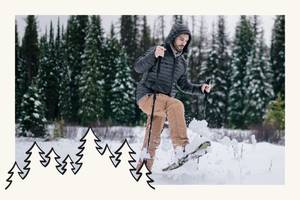


How to Choose Snowshoes
Where You Plan to Walk
Snowshoe types by terrain
| How to Use | Product Spec | Why it works |
|---|---|---|
| Flat | Packed trails, parks, easy walks | Simple bindings, modest traction |
| Rolling | Moderate slopes, uneven trails, deeper snow | Sturdy bindings, sharper crampons, heel lifts |
| Mountain | Steep and icy ground | Aggressive crampons, reinforced bindings |
What You Weigh With Your Gear
What the Snow Is Doing
Snowshoe Sizing and Weight Limits
| Size | Supported weight | Best for |
|---|---|---|
| 14 in | Up to 50 lbs | Younger kids, packed trails |
| 17 in | 50 to 100 lbs | Older kids, mixed conditions |
| 21 in | 80 to 120 lbs | Lighter adults, packed trails |
| 25 in | 120 to 200 lbs | Most adults, mixed conditions |
| 30 in | 180 to 250 lbs | Heavier loads, fresh powder |
How Our Snowshoes Are Built
- Lightweight 6061-T6 aluminum alloy frames
- High-density polyethylene decks for flotation
- Double-ratchet bindings on adult sizes, single-ratchet on kids
- Full-floating pivot system with toe crampons
- Heel lifters that reduce calf strain on climbs
- Mesh vented carry bag included with every pair
Snowshoes for Every Kind of Winter Day
| If you want to... | Go With | Starts at | Why it works... |
|---|---|---|---|
| Packed trails and first outings | Drifter Lightweight Snowshoes | $49.99 | The simplest way in. Ratchet bindings go on over any winter boot, and the heel lifts are there when a hill shows up |
| Long days and steady climbs | Drifter Snowshoe Bundle With Trekking Poles | $89.99 | Adds adjustable trekking poles, which take load off your legs and make uneven ground far easier |
| Family snow days | Drifter Kids Snowshoe Bundle With Trekking Poles | $74.99 | Single-ratchet bindings for small hands, poles sized 27 to 35 inches, and a bag to carry it all |
Setting Up and Caring for Your Snowshoes
Strapping In and Out
How Long Do Snowshoes Last?
Drying, Cleaning, and Off-Season Storage
Go easy out there
Snowshoeing Safety and What to Wear
Snowshoe FAQs
What is the point of snowshoeing?
Snowshoes let you walk on top of deep snow instead of sinking in with every step. That effect is called flotation, and it comes from spreading your weight across a much wider surface than your boots alone. It means you can keep hiking your favorite trails all winter, or go somewhere the snow has completely covered. Some people snowshoe to get places. Most of us just like being out there.
How do snowshoes work?
Snowshoes work by spreading your weight across a wide frame and deck, which lowers the pressure under each step so you float on the snow instead of sinking. Think of how wide tires keep a truck moving over sand. Our Drifter Lightweight Snowshoes use a 6061-T6 aluminum frame with a polyethylene deck, plus toe crampons that pivot with your foot and bite in as you walk.
What are the three types of snowshoes?
Snowshoes are usually grouped by the terrain they are built for:
- Flat terrain: simple bindings and modest traction, made for packed trails and easy walks.
- Rolling terrain: sturdier bindings and sharper crampons for hills and deeper snow.
- Mountain terrain: aggressive crampons built for steep, icy ground.
Our Drifter Lightweight Snowshoes sit in the rolling terrain group, which covers most winter trails.
What are snowshoes made of?
Most snowshoes have three parts: the frame, the deck, and the crampons. We build our Drifter Lightweight Snowshoes with 6061-T6 aluminum alloy frames and tough polyethylene decks, which keep each shoe at about 2.1 lbs. Older snowshoes used wooden frames and rawhide lacing with no traction underneath at all. Lighter modern materials make a long day out far less tiring.
Why do snowshoes have heel lifts?
Heel lifts are small bars that flip up under your heel on steep climbs. They raise the back of your foot so the slope feels gentler than it really is, which takes a lot of strain off your calves and Achilles tendons. Both our Drifter Lightweight Snowshoes and our Drifter Kids Snowshoe Bundle include them. Flip them back down when the ground flattens out.
How do I know what size snowshoes to buy?
Size your snowshoes by body weight rather than shoe size, because heavier loads need more surface area to stay on top of the snow. Our Drifter Lightweight Snowshoes come in three sizes:
- 21 in for 80 to 120 lbs
- 25 in for 120 to 200 lbs
- 30 in for 180 to 250 lbs
Add 10 to 15 lbs for your clothing and gear before you choose your size.
Should I get 25 or 30 inch snowshoes?
Go with the 25 in if you weigh 120 to 200 lbs, and the 30 in if you weigh 180 to 250 lbs. If you land in the 180 to 200 lb overlap, let the snow decide. Pick the 30 in for fresh powder and off-trail days when you need more flotation. Pick the 25 in for packed trails, where a smaller shoe is easier to walk in.
What size snowshoes do I need for 250 lbs?
At 250 lbs, you want the 30 in Drifter Lightweight Snowshoes, which are rated for 180 to 250 lbs. That rating covers your total load, so count your boots, clothing, and pack before you decide. If your gear pushes you past 250 lbs, you will sink deeper in soft powder, though you will still get along fine on packed trails.
Is it better to have bigger or smaller snowshoes?
Neither is better on its own, so aim for the smallest size that still supports your weight. Bigger snowshoes float better in deep powder but feel heavy and awkward to walk in. Smaller ones are easier to handle on packed trails and in tight spots. If you sit right on the edge between two sizes, size up, since your clothing, boots, and pack all add weight.
What is the weight limit for snowshoes?
The limit depends on the size you pick, since a larger shoe supports more weight. Our Drifter Lightweight Snowshoes cover 80 to 120 lbs at 21 in, 120 to 200 lbs at 25 in, and 180 to 250 lbs at 30 in. Our Drifter Kids Snowshoe Bundle covers up to 50 lbs at 14 in and 50 to 100 lbs at 17 in.
What size snowshoes do my kids need?
Size kids by weight rather than age or shoe size. Our Drifter Kids Snowshoe Bundle comes in 14 in for kids up to 50 lbs and 17 in for kids from 50 to 100 lbs. Weigh them in their snow gear, since jackets and boots add up. Once a child passes 100 lbs, the 21 in Drifter Lightweight Snowshoes are the next step up, and we recommend those for ages 13 and over.
Is snowshoeing good for kids?
Yes, and it is one of the easier winter activities to pick up. Snowshoeing is slow and close to the ground, so there is no speed to manage and very little that can go wrong. It builds balance and coordination, burns off plenty of energy, and opens up places that are off-limits the rest of the year. Our Drifter Kids Snowshoe Bundle includes poles sized for them.
How do you teach kids to snowshoe?
Pick a day with soft snow and start on flat, open ground. Have them walk with their feet a little wider than usual so they do not step on their own frames, lifting their knees slightly and taking shorter steps. Once that clicks, add gentle slopes and show them how the poles help with balance. Keep the first few outings short, bring snacks, and stay on marked trails.
What are the best boots for snowshoeing?
Insulated, waterproof boots with a firm sole and some ankle support are ideal for snowshoeing. Winter boots and waterproof hiking boots both work well. What matters most is a stiff enough sole to sit flat in the binding and feet that stay dry. Our double-ratchet bindings adjust to fit most adult winter boots, so you do not need anything specialized.
Can you wear any shoes with snowshoes?
Not quite. The bindings hold a wide range of footwear, but thin, low-cut shoes leave your feet cold and wet fast. Skip sandals, anything with a heel, and lightweight sneakers. Go with thick-soled winter boots or waterproof hiking boots instead. You want insulation, a waterproof upper, and enough structure that the straps have something solid to grip.
Do you need a helmet for snowshoeing?
For most adults on marked trails, no. Snowshoeing is slow and controlled, so it carries nothing like the risk of skiing or snowboarding. Consider a snow helmet if you are heading into steep backcountry terrain where rock or ice could come down from above. For kids who are still finding their footing, a helmet is a reasonable call while they learn.
How do you put on snowshoes?
Set the snowshoe flat on the snow and line your boot up so the ball of your foot sits over the pivot point. Pull the straps across the top of your boot and tighten the ratchets until they feel snug but not pinched. Fasten the heel strap last. Stand up and take a few steps to check that nothing shifts, then adjust before you set off.
How do you walk in snowshoes?
Walk with your feet a little wider apart than normal so the frames do not clip each other, and take slightly longer, more deliberate steps. Lead with your heel and let the toe crampons bite as you push off. Heading uphill, kick your toe in and flip up the heel lifts. Heading downhill, keep your knees soft and plant your heels first.
Do you need poles for snowshoeing?
Not always, though most of us bring them anyway. On flat, packed trails, you can go without. Poles earn their keep on uneven or steep ground, when you are carrying a pack, and while you are still getting used to the motion. They improve balance and take some load off your legs. Our Drifter Snowshoe Bundle pairs the snowshoes with adjustable trekking poles.
How much do snowshoes cost?
Snowshoes range from budget-friendly to several hundred dollars, depending on the frame, bindings, and the amount of traction they provide. Our whole snowshoe range sits at the accessible end of that, and our bundles add trekking poles and a carry bag so you are not buying the pieces separately. You do not need a top end pair for trail walking. You need the right size and traction you can count on.
Is snowshoeing hard?
Snowshoeing is one of the easiest winter activities to pick up. If you can walk, you can snowshoe. There is no real technique to learn and no speed to manage. It takes more effort than a summer hike because you are lifting a little extra weight and pushing through snow, so start on flat, packed trails and give yourself more time than you would normally expect.
Is snowshoeing good exercise?
Yes, and more than most people expect. Walking through snow works your legs, hips, and core much harder than walking on dry ground, and adding poles engages your arms and shoulders, too. It is steady, low-impact cardio that stays gentle on your joints. Uneven ground also engages your stabilizing muscles, which build balance over a season.
Is snowshoeing good for seniors?
It can be a great fit. Snowshoeing is low-impact and easier on the joints than most winter cardio, and the pace is entirely yours to set. Uneven ground helps with balance and coordination, which matters more as we get older. We would suggest starting on flat, marked trails and using poles for stability. Check with your doctor first if you have any concerns.
Is snowshoeing hard on the knees?
Generally, no, since snowshoeing is low impact, though deep snow and uneven ground put more work through your knees. Long strides and twisting motions are what usually cause trouble, so keep your steps measured. Done in moderation, it actually strengthens the muscles around the joint. Poles help by taking pressure off your legs. If your knees already give you trouble, talk to your doctor first.


