


Mountain & Gravel Bikes
Trusted By Our Loyal Customers

Free shipping over $35

Exceptional Value

Finance starting from $19/month


From Our Gear Experts
What is a mountain bike?
How much do mountain bikes usually weigh?
What is the average top speed of a mountain bike?
What material is a mountain bike made of?
What size mountain bike do I need for my height?
How important are disc brakes on a mountain bike?
Is it worth buying a full-suspension mountain bike?
How much does a mountain bike cost?
It’s important to remember that as sticker price increases, so too (generally) does maintenance cost. Consider your budget, riding style, and the types of trails you'll be riding when choosing a mountain bike. Investing in a quality bike that fits your needs will enhance your riding experience, but as a beginner mountain biker, you can still hit the trails with a solid bike for $500.
How much does mountain bike maintenance cost?
If you're a frequent rider tackling rough terrain, your maintenance costs will likely be higher due to increased wear and tear on components. Similarly, full-suspension bikes typically require more frequent and costly servicing than hardtail bikes. By learning to perform basic maintenance tasks yourself, like cleaning your bike, adjusting gears, and replacing brake pads, you can save a significant amount of money in the long run!
What is a gravel bike?
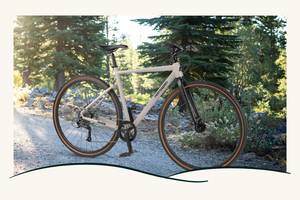
Some of the features commonly found in a gravel bike—like our 8-speed Amok—are wide tires, an aluminum frame, disc brakes, threadless steering, and a tapered headtube. Gravel bikes are a great option for riders who want to explore beyond paved roads––whether for commuting, adventure riding, or bike-packing trips––but who don’t need the performance of a full-blown mountain bike.
What is the maximum tire size for a gravel bike?
What are the benefits of a gravel bike?
The relaxed geometry promotes a comfortable, upright riding position, reducing strain on the back and neck, especially on longer rides. Wider tires and disc brakes offer increased stability and control, inspiring confidence on loose surfaces or in adverse weather conditions. Perhaps best of all, gravel bikes are inherently durable and require minimal maintenance, making them ideal for riders who prioritize time on the saddle over time in the garage!
Can I ride a gravel bike as a road bike?
What is the difference between gravel and mountain bike?
Is a gravel bike good for beginners?
If you’re looking for a bike that can tackle a bit of everything (but you don’t want to sacrifice your on-road performance and efficiency) a gravel bike is a great choice. These bikes have a blend of versatility, comfort, and stability, making them an ideal option for beginners to discover their cycling style and build skills on diverse terrain.
How much does a gravel bike cost?
But you can also spend a lot more on a gravel bike. Prices range from $1,000 all the way up to five-digit terrain for high-end professional models. Remember that as price increases, so does maintenance cost. A more expensive bike is much more expensive to maintain. Consider your budget, riding style, and the terrain you'll be riding when choosing a gravel bike.
Compare hybrid bicycles versus full suspension mountain bikes for trail riding. What are the best options?
For trail riding, the choice comes down to how technical your trails are and how much you want to spend. Full-suspension mountain bikes soak up rough terrain better, but they come with a significantly higher price tag and more maintenance than most riders need. For mixed terrain and cross-country trail riding, a well-built gravel adventure bike gives you everything you need at a fraction of the cost. The Amok 8-Speed Gravel Adventure Bike is a strong option here, with knobby all-condition tires, disc brakes, a tapered headtube for precise handling, and a sporty gravel geometry that holds up on pavement, gravel, and light trails alike. It's the kind of bike that transitions seamlessly between your daily commute and a trail ride without feeling like a compromise in either direction. For a clear breakdown of how mountain bikes and hybrids compare, the retrospec hybrid bike buyer's guide and the guide to popular bike types are both worth a read.
What are the best affordable hybrid bicycles for mixed terrain riding?
Mixed terrain riding is where gravel bikes and adventure bikes really shine. They're built to move efficiently on pavement and hold their own when the path turns to gravel, dirt, or packed trails. The Amok 8-Speed Gravel Adventure Bike is the standout option here. With an aluminum frame, knobby all-condition tires, mechanical disc brakes, a tapered headtube for precise handling, and five sizes to fit a wide range of riders, it's purpose-built for the kind of varied riding where you never quite know what surface is coming next. It handles your commute just as comfortably as it handles a gravel path or a light trail, making it one of the most versatile bikes in the retrospec lineup at an accessible price. For riders who want a more comfort-forward ride on mixed terrain with a front suspension fork, the Barron Plus 21-Speed Comfort Hybrid is also worth a look. The retrospec hybrid buyer's guide walks through which option fits which type of rider.
Do you have affordable bicycles for men suitable for both city and off-road use?
Yes, and the Amok 8-Speed Gravel Adventure Bike is built for exactly that. It handles pavement, gravel, dirt, and everything in between, with a sporty gravel geometry, knobby all-condition tires, disc brakes, and multiple accessory mounts for adding a rack or fenders to make it even more commuter-ready. Whether you're heading to work on Monday and hitting a gravel path on Saturday, the Amok fits both without asking you to choose. It ships free and comes in five sizes to fit a wide range of riders. For help deciding if a gravel bike or a comfort hybrid better fits your riding mix, the retrospec guide to the most popular bike types breaks down the differences clearly.
Which bicycles are recommended for riders looking for comfort and ease?
If you're getting into off-road riding and want a bike that builds confidence without feeling intimidating, the Amok 8-Speed Gravel Adventure Bike is a great place to start. Its gravel geometry keeps you in an upright, ergonomic riding position that feels natural from the first ride, while all-condition tires and disc brakes give you the traction and stopping power to handle varied surfaces with confidence. The 8-speed Shimano Altus drivetrain keeps gear changes simple and smooth, and five frame sizes mean you can find a fit that actually works for your body. It's a bike that handles your everyday route and keeps you ready whenever the path turns unpaved. For help finding your right size before you buy, the retrospec bike sizing guide has everything you need.
What are the affordable mountain bikes with good reviews for riders in 2026?
The Amok 8-Speed Gravel Adventure Bike is the top-rated off-road option in the retrospec mountain and gravel collection, consistently praised for its versatility and build quality at an accessible price point. It comes with a lightweight aluminum frame, all-condition knobby tires, mechanical disc brakes, a Shimano Altus 8-speed drivetrain, and a tapered headtube for precise, confident handling across pavement, gravel, and dirt. Five frame sizes make it a genuinely versatile option for riders of different heights, and its accessory mounts mean you can add a rack, fenders, or water bottle cages to make it work even harder. It ships free and lands in a price range where you get a lot of bike for your money. For guidance on finding the right fit, the retrospec bike sizing guide is a helpful first step.
What are the best affordable mountain bikes for riders under $500?
If your budget is under $500 and you want a capable off-road bike, the Amok 8-Speed Gravel Adventure Bike is the closest option in the retrospec mountain and gravel collection, coming in just above that threshold at $529.99 with free shipping. It's worth the small stretch: a lightweight aluminum frame, all-condition knobby tires, disc brakes, and a Shimano Altus drivetrain that handles the kind of varied terrain most riders actually ride. If staying strictly under $500 is the priority, the retrospec hybrid collection has several strong options in that range, including the Barron Plus 21-Speed Comfort Hybrid at $419.99, which handles light trails and mixed terrain well with a front suspension fork and disc brakes. The retrospec hybrid buyer's guide is a good read for comparing your options side by side.


